Evolution of Manipulation from Bernays to the Algorithm
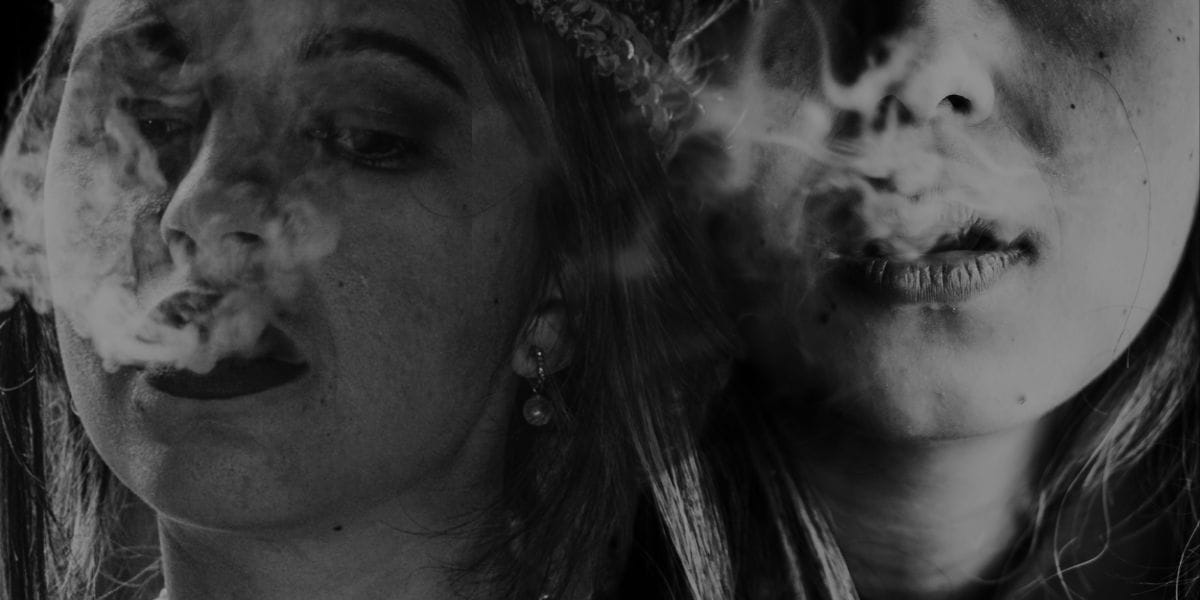
The year was 1929. Women didn't smoke in public—it was taboo, unseemly, a mark against respectability. Then came Easter Sunday in New York City, and with it, a carefully orchestrated parade of "Torches of Freedom." Young women marched down Fifth Avenue, defiantly lighting Lucky Strike cigarettes as symbols of feminist liberation. The media ate it up. Smoking rates among women skyrocketed.
It looked like a grassroots movement. It wasn't.
Behind the spectacle stood Edward Bernays, Sigmund Freud's nephew and the man who would become known as the father of public relations. What the marching women didn't know—what the cheering crowds didn't know—was that they were test subjects in the first large-scale experiment in mass behavioral manipulation for corporate profit.
A century later, we're still in Bernays' experiment. Only now, it runs on autopilot.
The Birth of the Invisible Government (1920s)
Bernays didn't just sell products. He engineered desires you didn't know you had, manufactured social movements that never existed, and rewired American culture itself—all while his subjects believed they were making free choices.
His 1928 manifesto, Propaganda, laid it bare: "The conscious and intelligent manipulation of the organized habits and opinions of the masses is an important element in democratic society." Not a warning—a blueprint. He described an "invisible government which is the true ruling power of our country," operated by "men we have never heard of" who "govern our minds, mold our tastes, form our ideas."
This wasn't theory. Bernays had the receipts.
The Bacon Coup
Hired by Beech-Nut Packing Company, Bernays surveyed doctors about whether hearty breakfasts were healthier than light ones. When they agreed, he spun their responses into a nationwide media campaign: "Doctors recommend bacon and eggs!" Americans—who had previously eaten light breakfasts—changed their habits permanently. To this day, bacon and eggs remain the quintessential American breakfast. One man's PR campaign became cultural gospel.
Manufacturing Feminism to Sell Death
The "Torches of Freedom" stunt was even more insidious. Bernays understood that women represented an untapped market for American Tobacco Company. But how do you break a deeply ingrained taboo? You hijack the language of liberation.
He staged a feminist protest that wasn't feminist at all. He hired models to pose as suffragettes. He alerted the press to the "shocking" display of women's independence. The message was clear: smoking equals freedom. Within years, women's smoking rates exploded. Lung cancer rates followed decades later.
The Freudian Weapon
What made Bernays different from earlier hucksters like P.T. Barnum? He weaponized psychology. As Freud's nephew, he had access to cutting-edge theories about the unconscious mind—and he understood that people are driven not by reason, but by irrational fears and desires.
He didn't sell soap by listing ingredients. He sold the fear of social rejection and the promise of belonging. He didn't sell toothpaste. He invented a medical condition—"halitosis"—and sold the cure. He convinced President Calvin Coolidge to host celebrity breakfasts at the White House, transforming a dour politician into a "likable" figure through manufactured proximity to fame.
This was the birth of modern manipulation: targeting the unconscious, manufacturing authority, creating false needs, and disguising commercial interests as social progress.