Larry Stylinson: From Shipping & Fantasy to The Erasure of Consent
Around 2012, something shifted. Speculation hardened into declaration. A subset of fans stopped asking "What if?" and started insisting "This is." With the quiet help of management, a belief system formed. At that time it seemed like harmless public relations to keep fans intrigued.
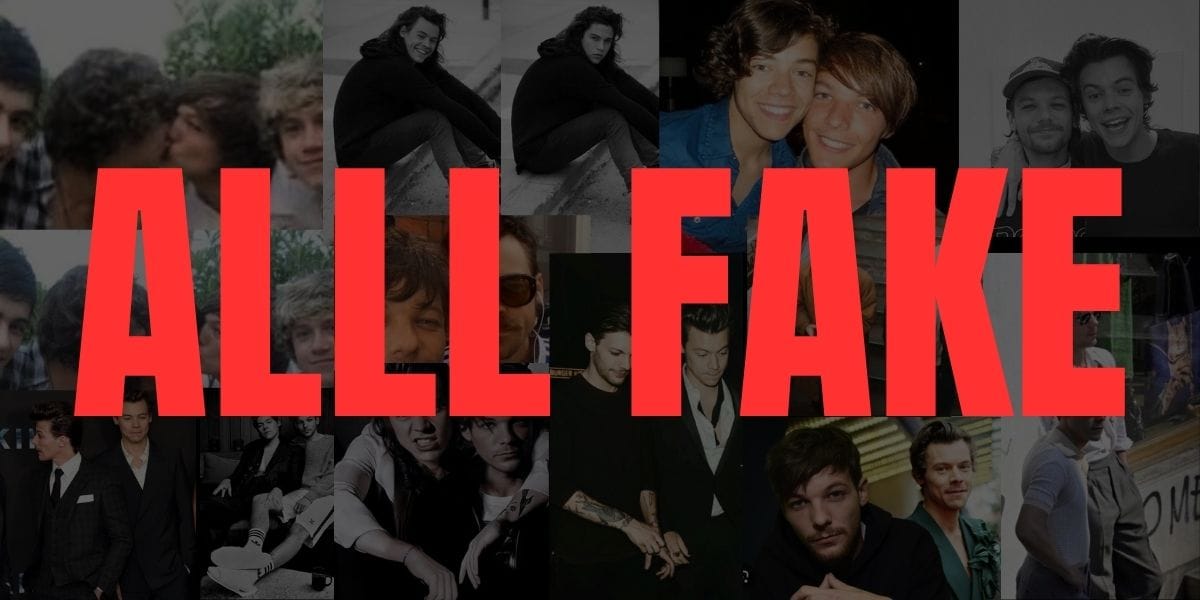
In 2010, five teenage boys were assembled into a band on the British reality show X Factor. Within 3 months, two of them—Harry Styles and Louis Tomlinson—became the center of something that would outlast the band itself, outlast their friendship, and eventually metastasize into one of the internet's most cautionary tales about fandom, obsession, and the erasure of consent. (It also had a direct impact on the band's demise but we'll get to that in future videos and analyses.)
It started innocently enough. It always does. Larry Stylinson—the portmanteau of their names—began as most celebrity ships do: playful speculation among fans who noticed chemistry, affection, lingering glances. Harry and Louis were “touchy” with each other in interviews and performances. They bantered. They seemed close. In the early days of One Direction, this was charming. Fans wrote stories, created fan art, laughed at the idea of them together.
This was standard fandom behavior. Fanfiction has always existed as a creative sandbox—a place for imagination to run wild without claiming to represent reality. For decades, fans understood the unspoken rule: you could imagine anything, but you didn't force it onto the real people involved. The fourth wall should remain intact.
But something about Larry was different from the start.
The Architecture of Belief
One Direction's formation wasn't organic. Five solo competitors, none with exceptional musical credentials at the time, were assembled by judges and placed third in the competition. Yet they became a global phenomenon. Why? How? Management, (specifically Simon Cowell) understood something fundamental about modern fandom: intimacy sells. Specifically literary tropes including forced proximity, forbidden love, us against the world, and escape stories.
The boys were encouraged to be physically affectionate. Boundaries were deliberately blurred. Emotional closeness became part of the product. Teen fans—the target demographic—were primed to read meaning into every interaction. The parasocial environment wasn't accidental. It was engineered for profit.
Larry didn't emerge in a vacuum. It emerged inside a system designed to extract devotion. (Read more about Simon Cowell and see our several You Tube videos about this early manipulation.)